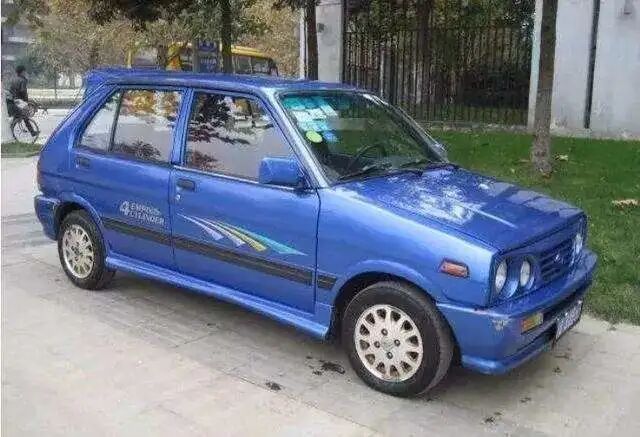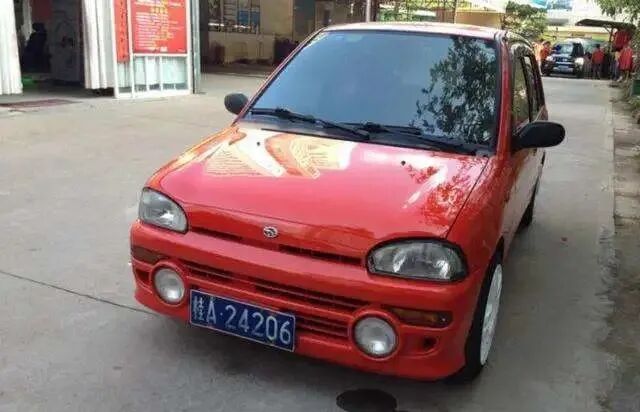
Kei car, K-Car, known in Japan as a light automobile, is the smallest category of road-legal passenger cars in Japan, with restrictions on size and engine capacity. K-Cars also include vans and trucks. This vehicle category was created by the Japanese government in 1949, and the regulations have been revised multiple times since then. These regulations specify maximum vehicle dimensions, engine capacity, and power output, allowing owners to enjoy tax and insurance benefits. In most areas of the island nation, there is also no need to prove that the vehicle has sufficient parking space.
Strictly speaking, almost all K-Car models are designed and manufactured in Japan. In Japan, K-Cars are popular not only among the elderly and women but also among young people, especially young families, due to their affordability and ease of use. However, outside of Japan, K-Car models are not widely promoted, partly because many countries do not accept this type of vehicle, and partly because Japanese automakers cannot make money exporting K-Cars. Our country's automotive culture is about 20-30 years behind Japan, so the younger generation, especially, is fascinated by K-Cars, but there are too few cars in the domestic market that meet K-Car standards (even the Beidouxing, although its size is under 3400mm, exceeds the displacement limit). Even if we don't get hung up on displacement and just keep the dimensions within the standard, you'll find that there are only a few fun K-Car models.
360 cc Era (1949–1975)
The legal tier of K-Cars originated in the post-World War II era when most Japanese people could not afford a full-sized car, but many had enough money to buy a motorcycle. To promote the development of the automotive industry and provide another means of vehicle delivery for small businesses and shop owners, the kei-car category and standards were created. Initially, in 1949, the displacement was limited to 150 cc or 100 cc for two-stroke engines, which was quite a harsh requirement for automakers. Between 1950 and 1955, the displacement was gradually increased, and by 1955, the displacement limit for two-stroke and four-stroke engines was raised to 360 cc.
In other words, according to the 1955 standards, a K-Car had to be within 3 meters in length, 1.3 meters in width, and 2 meters in height, with a displacement of no more than 360 cc.During this era, many classic models that are now displayed in Japanese automotive museums were produced.
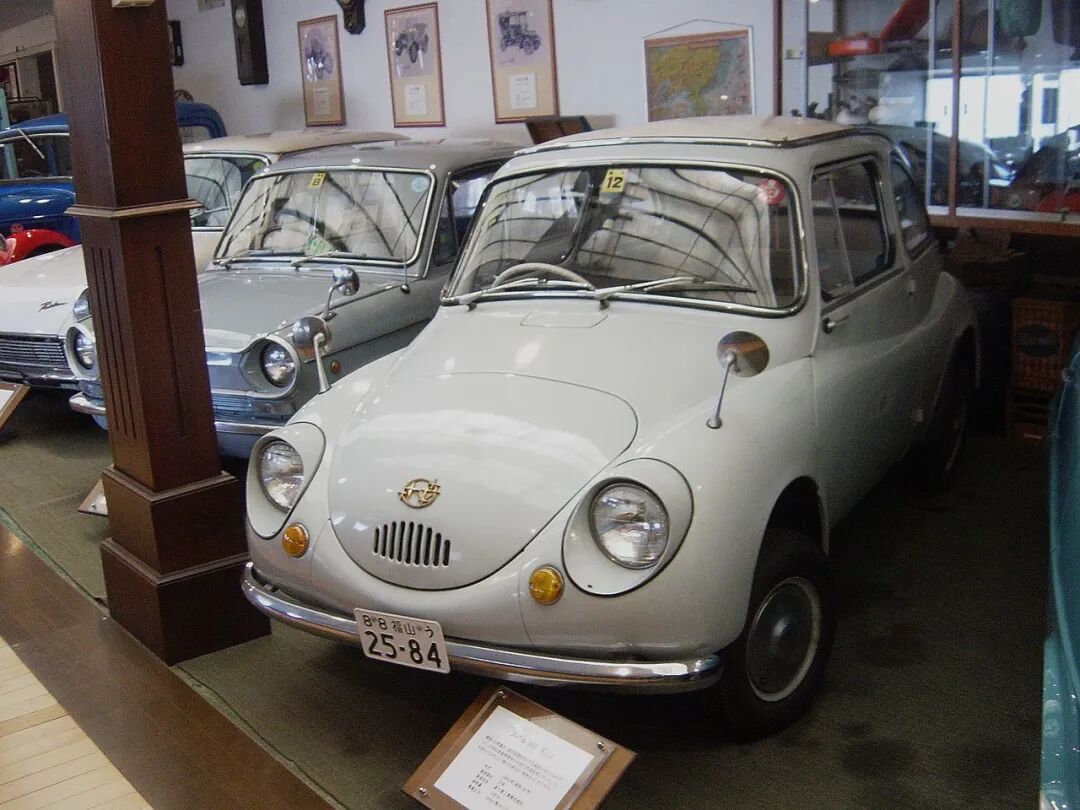
For example, the Subaru 360 (1958-1970):
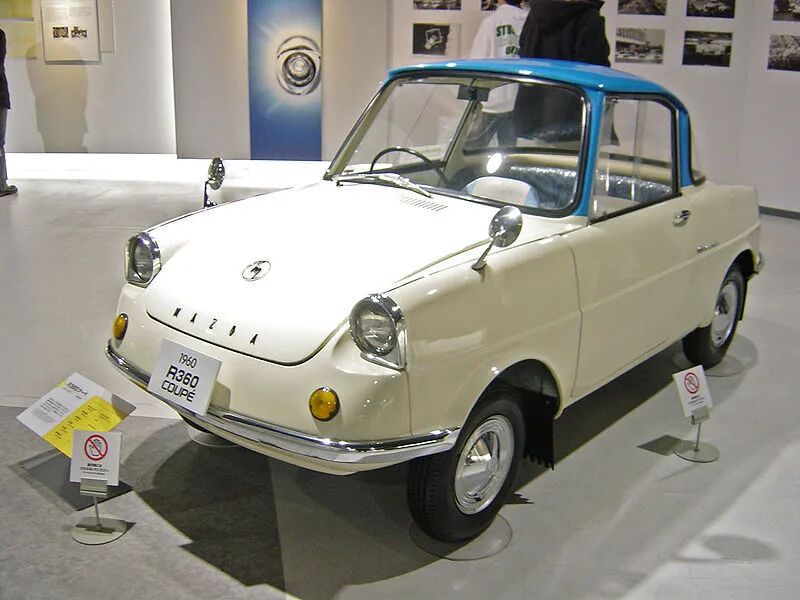
Mazda R360 (1960-1969):
and Honda N360 (1967-1972):
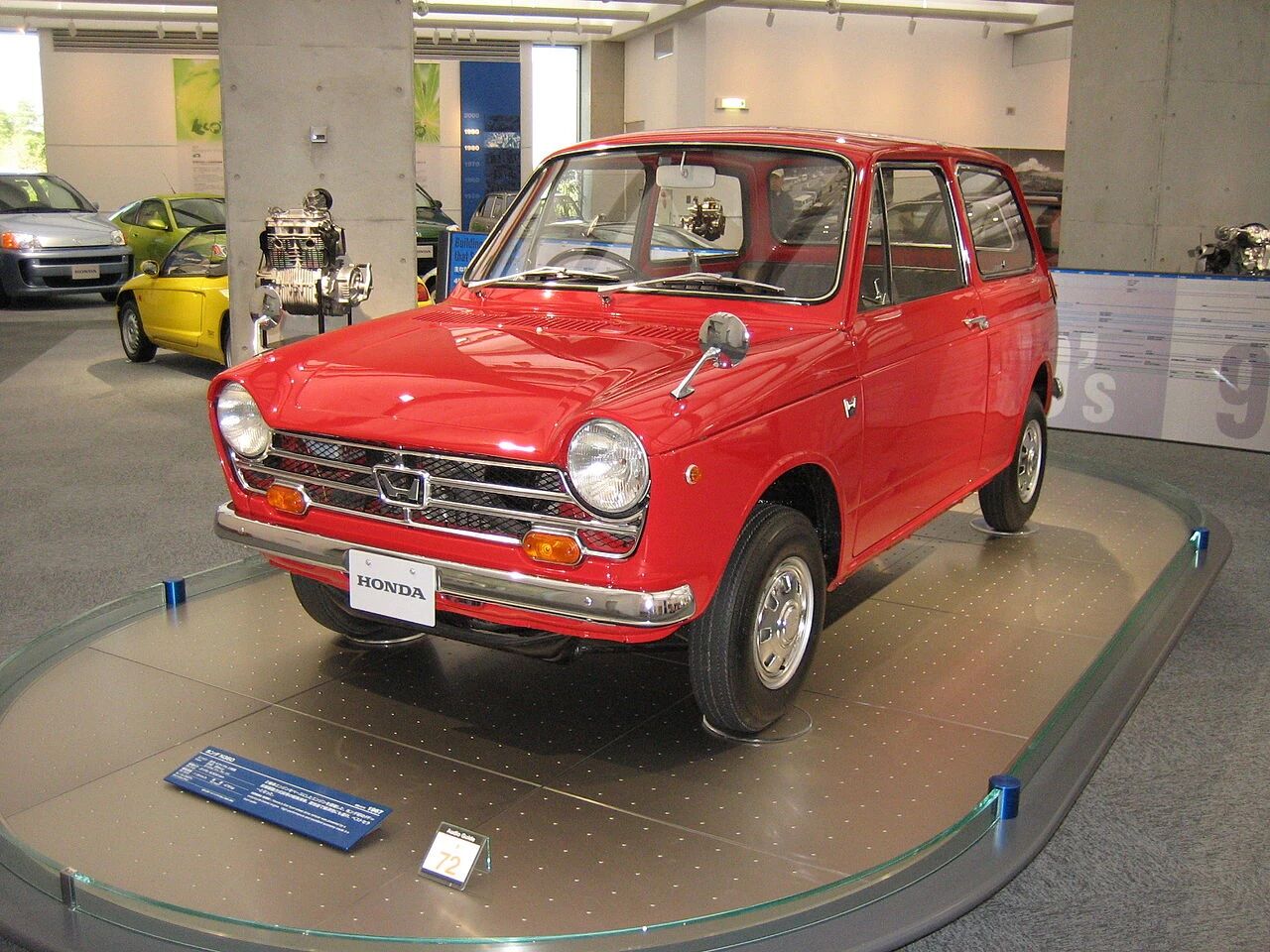
are products of this period.
550 cc Era (1976–1990)
In the mid-1970s, Japan adjusted the restrictions on K-Cars, increasing the overall length and width limits by 200mm and 100mm, respectively. The engine size was increased to 550 cc, effective from January 1, 1976.
In other words, K-Cars of the 550 era refer to models that are within 3.2 meters in length, 1.4 meters in width, and 2 meters in height, with a displacement of no more than 550 cc.
According to information found online, most automakers were somewhat surprised by this decision at the time—because this standard was introduced in 1975 and implemented in 1976. The size was manageable, but 550 cc represented larger cylinders and better-performing engines, which posed a challenge for manufacturers' development cycles.
However, with the expansion of K-Car dimensions and increased power, coupled with the global oil crisis of the 1970s, another business opportunity emerged for Japanese automakers: a significant increase in export volume. Particularly, there was growth in the export of vans and trucks, while the export of ordinary passenger cars did not increase. Data shows that in 1976, the total export volume of K-Car vans and trucks was 74,633 units (a year-on-year increase of 171%). In 1980, the export growth reached 80.3% (94,301 units), with nearly 17% of the exports going to Europe.
Although in the 1980s, the speed limit for K-Cars was 80 kilometers per hour, and exceeding this speed would trigger a warning sound to alert the driver, the performance of K-Cars far exceeded the 80 kilometers per hour standard. As Japan's economy rapidly developed in the 1980s, automakers had money, and salaried workers were also well-off. Thus, Japanese manufacturers began to shift K-Cars from a focus on practicality to a focus on performance in the 1980s: features like four-wheel drive and turbochargers began to be used in K-Cars.
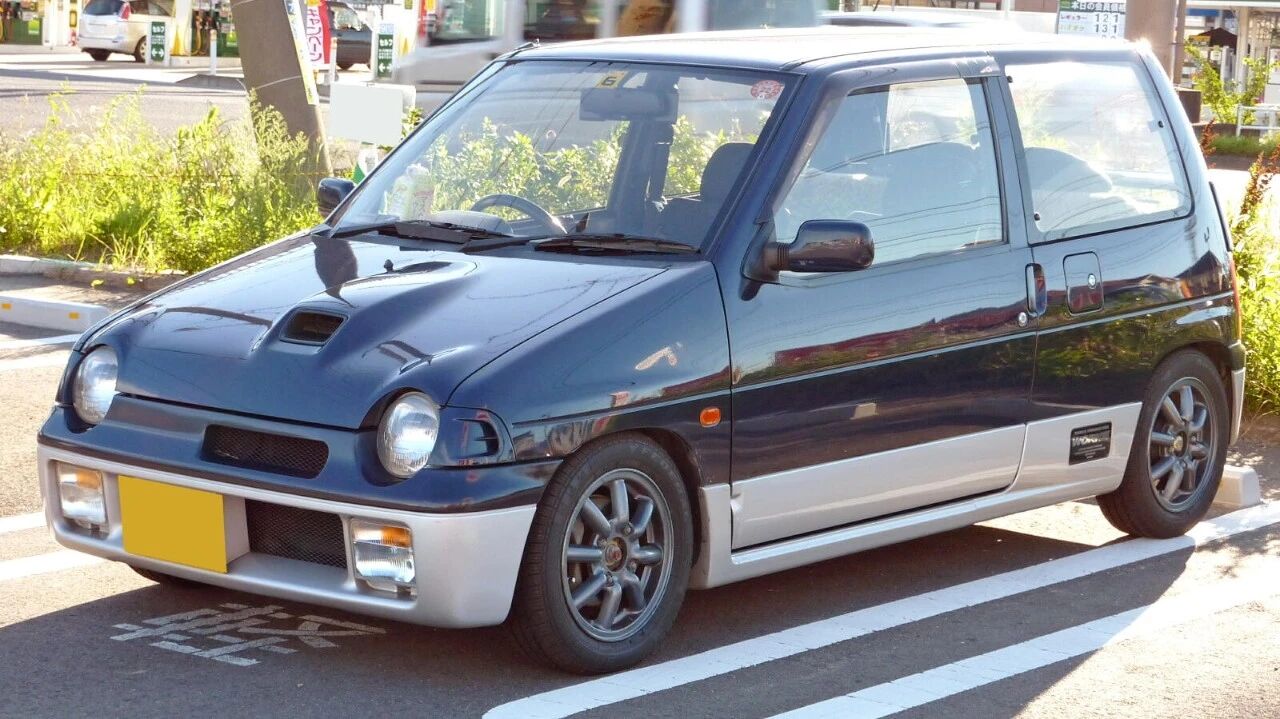
The high-performance Suzuki Alto Works RS/X and RS/R are products of this era, weighing less than 600KG, with 4WD and an output of 64 horsepower, marking the peak of the K-Car era.
660 cc Era (1990–2014)
As K-Cars entered their peak period, in March 1990, the Japanese government revised the K-Car regulations again, ultimately setting the K-Car dimensions to 3.3x1.4x2 meters (modified to the final version of 3.4x1.48x2 meters in 1998), with engine displacement increasing to 660cc. These changes occurred during Japan's economic bubble, unlike the earlier 'hard times,' when all manufacturers quickly developed new models to comply with the new regulations. Within just five months, all major K models upgraded from 550 cc to 660 cc engines. However, during this period, the government set power limits, similar to the gentleman's agreement of 280 horsepower, with the maximum horsepower for K-Cars set at 64. Nevertheless, JDM cars during the bubble era were heavily equipped, making it easy for cars of that time to exceed 64 horsepower and reach 10,000 rpm.
In the 1990s, K-Car performance sports cars flourished.
The most classic example is the Suzuki Cappuccino:
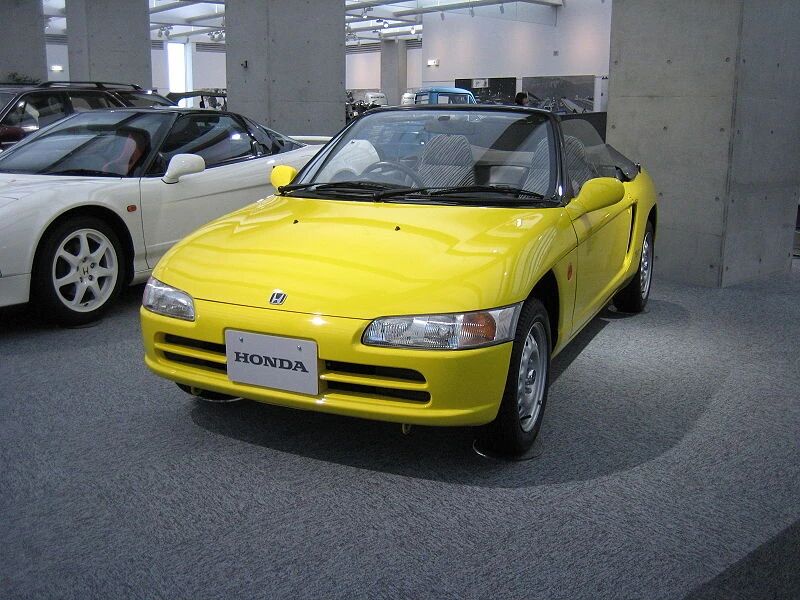
Honda Beat:
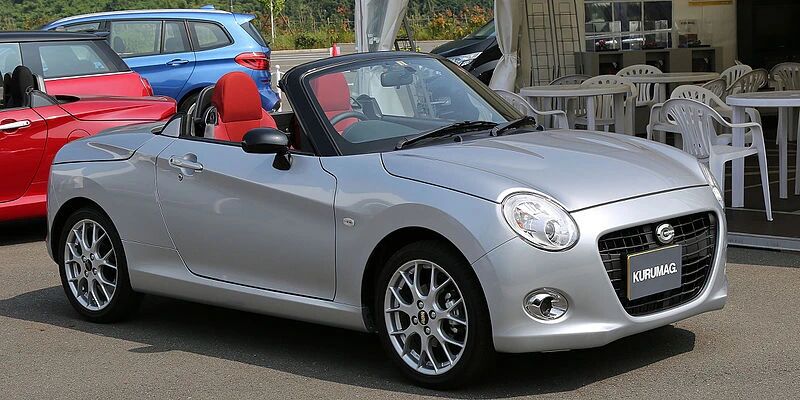
Daihatsu Copen:
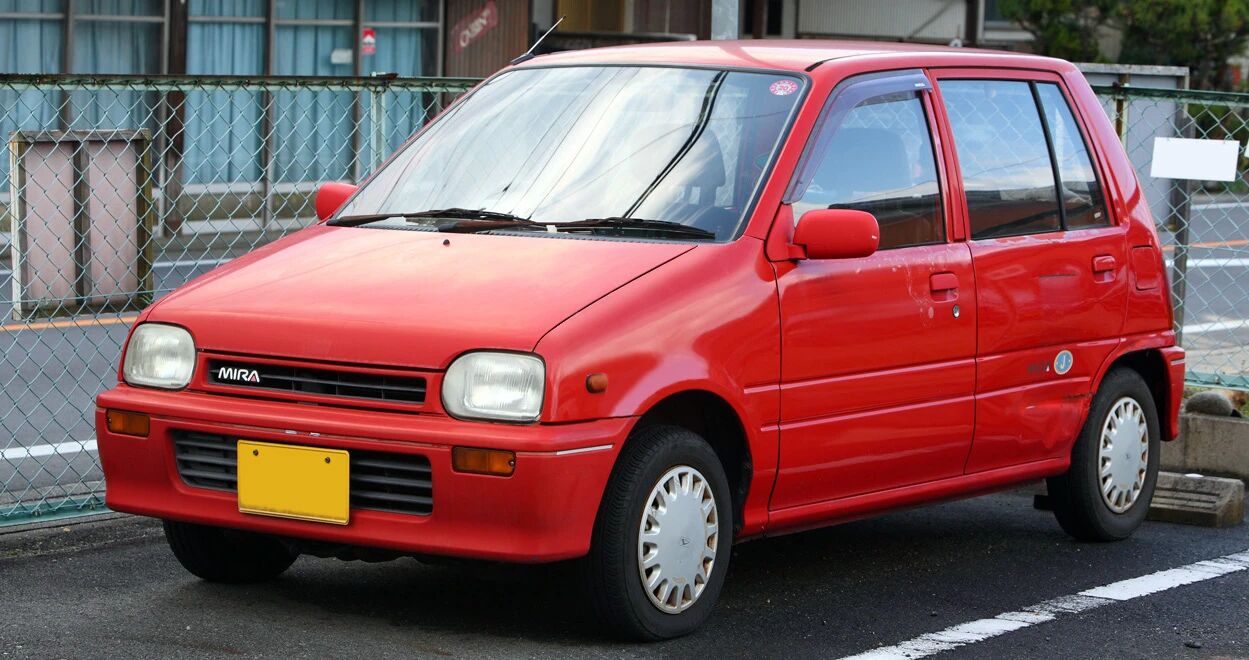
By the way, speaking of Initial D, the red car that Mako Sato and Iketani encountered was a Daihatsu Mira, which is a typical K-Car:
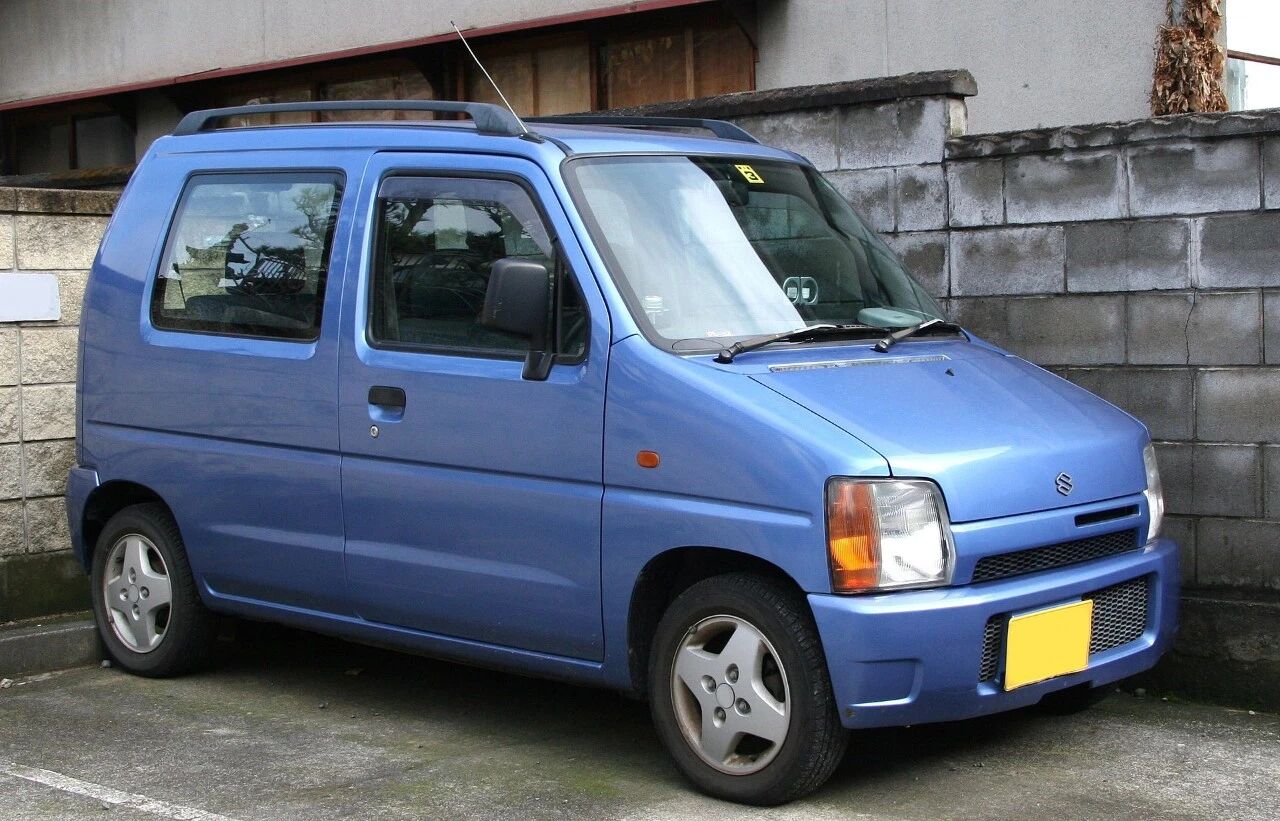
During this period, the best-selling K-Car in Japan was the Suzuki Wagon R (you can see what this is, very popular domestically).
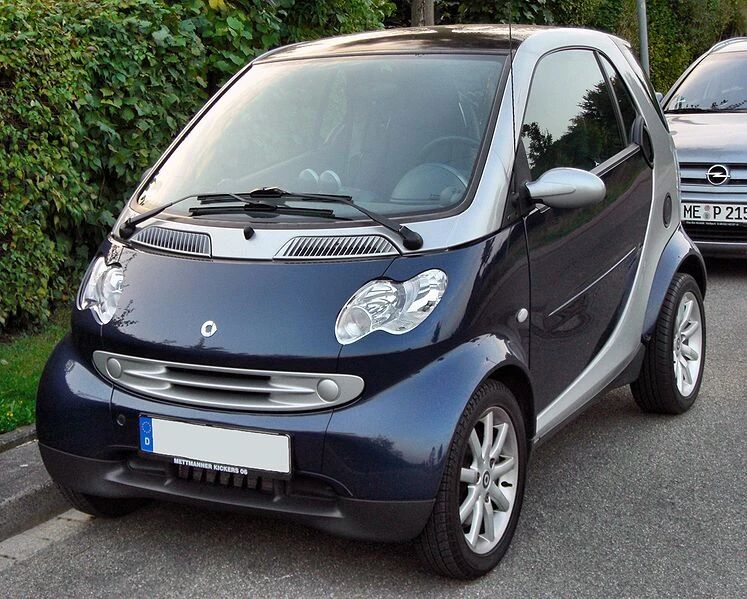
It's also worth mentioning that from 2001 to 2004, a Smart Fortwo was sold at the Yanase dealership in Japan, which is a rare overseas mass-produced model sold in Japan. That's right, Smart is also a genuine K-Car.
Decline (After 2014)
In April 2014, the Japanese government significantly reduced the incentives for K-Cars, imposing higher sales taxes, higher gasoline taxes, and higher vehicle taxes—the last of which increased by 50%: compared to regular cars, K-Cars saw a substantial reduction in incentives.
Currently, Daihatsu, Honda, Suzuki, and Nissan Mitsubishi are among the few manufacturers of mass-produced K-Cars.
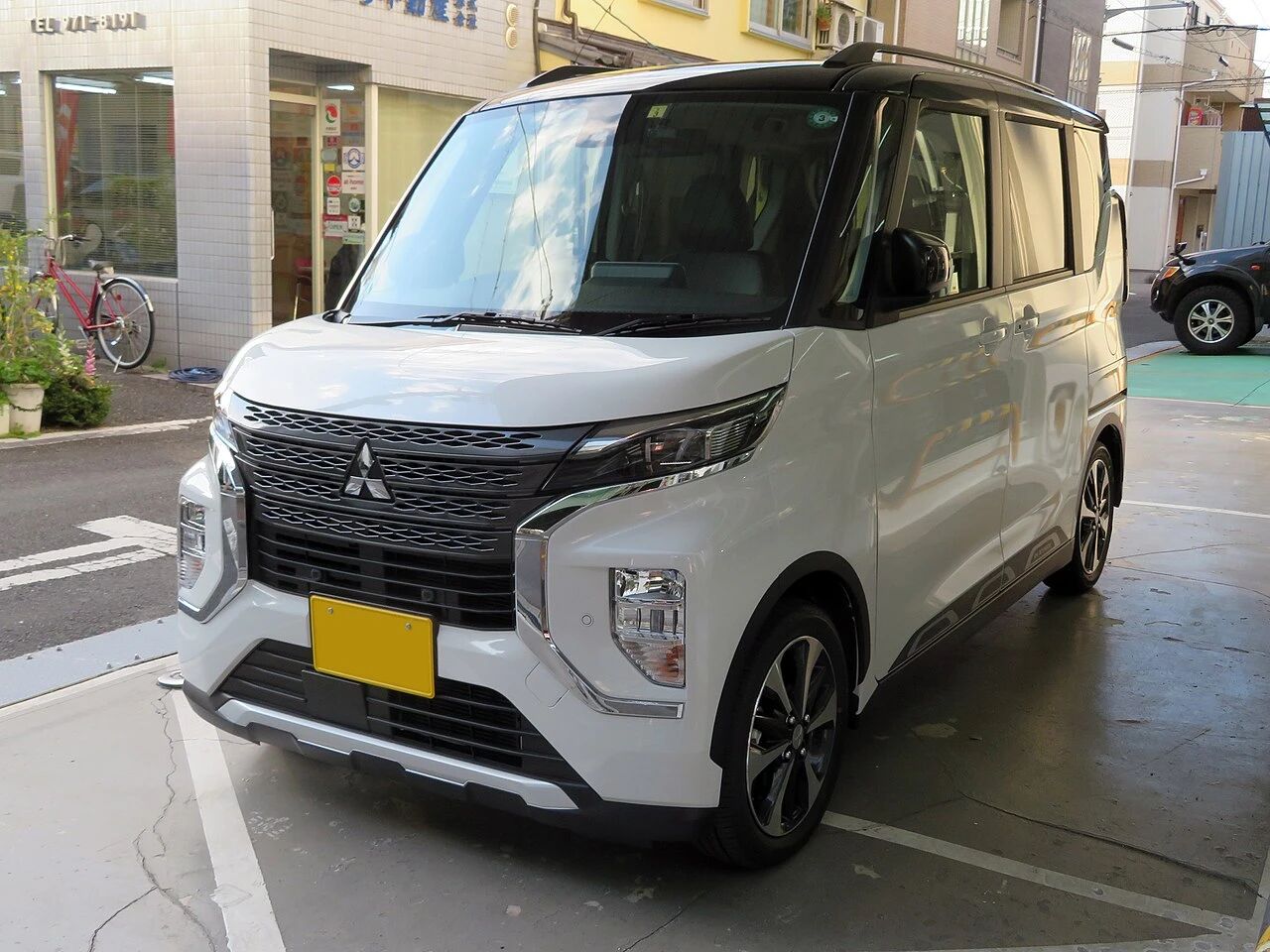
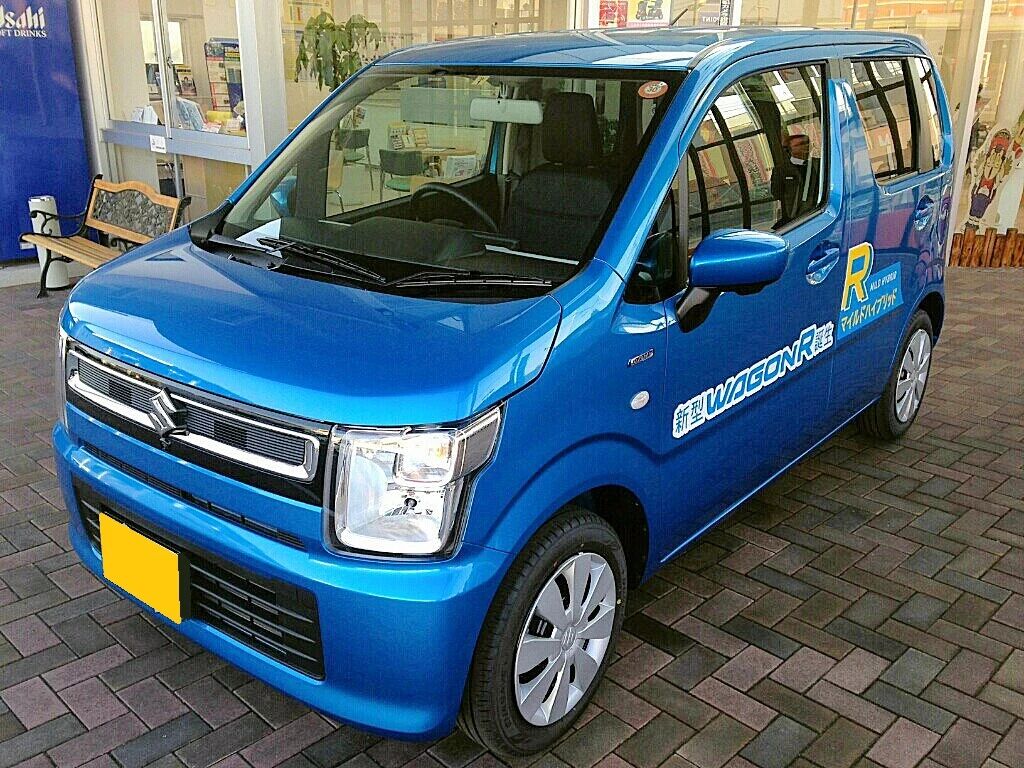
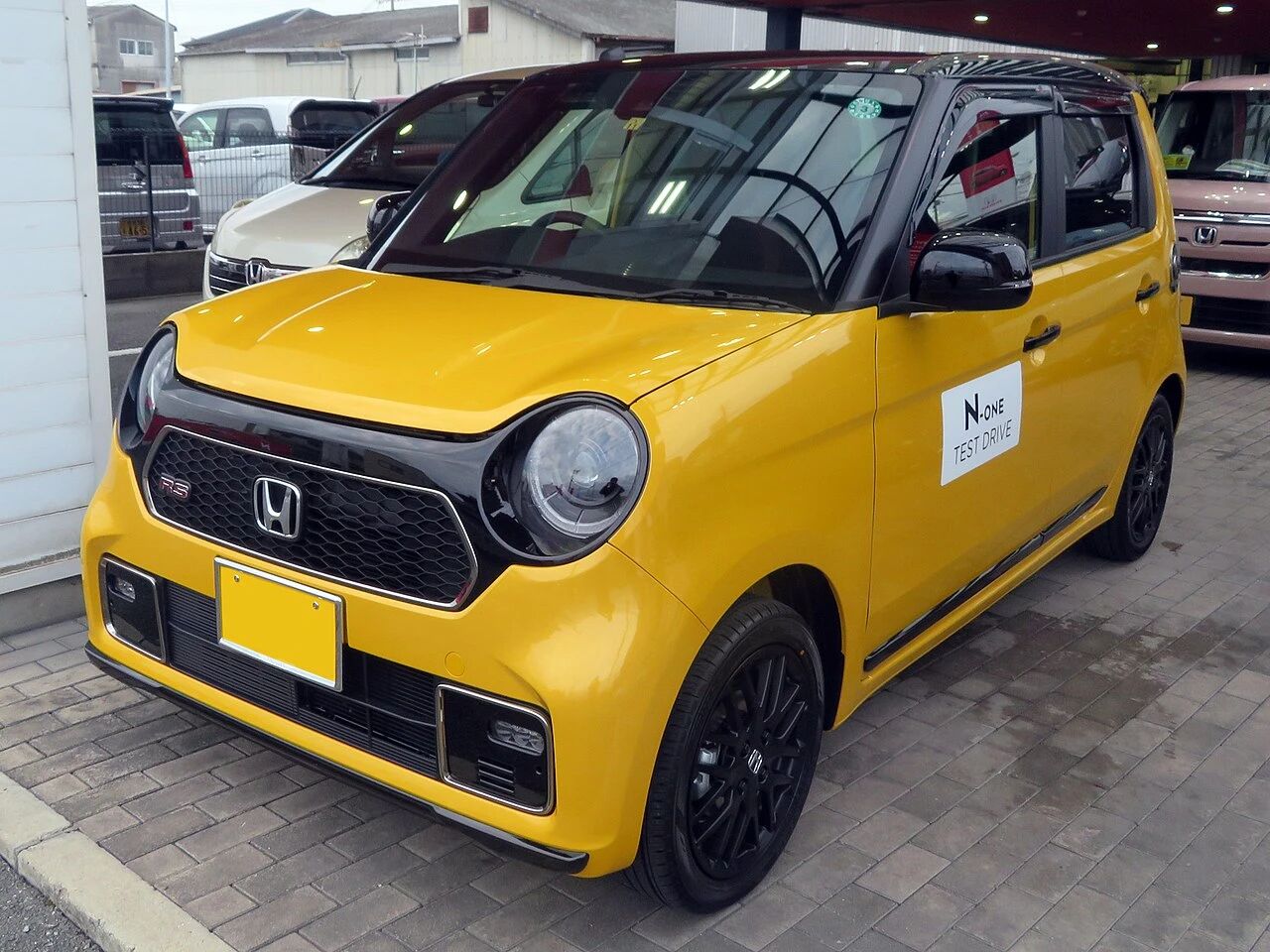
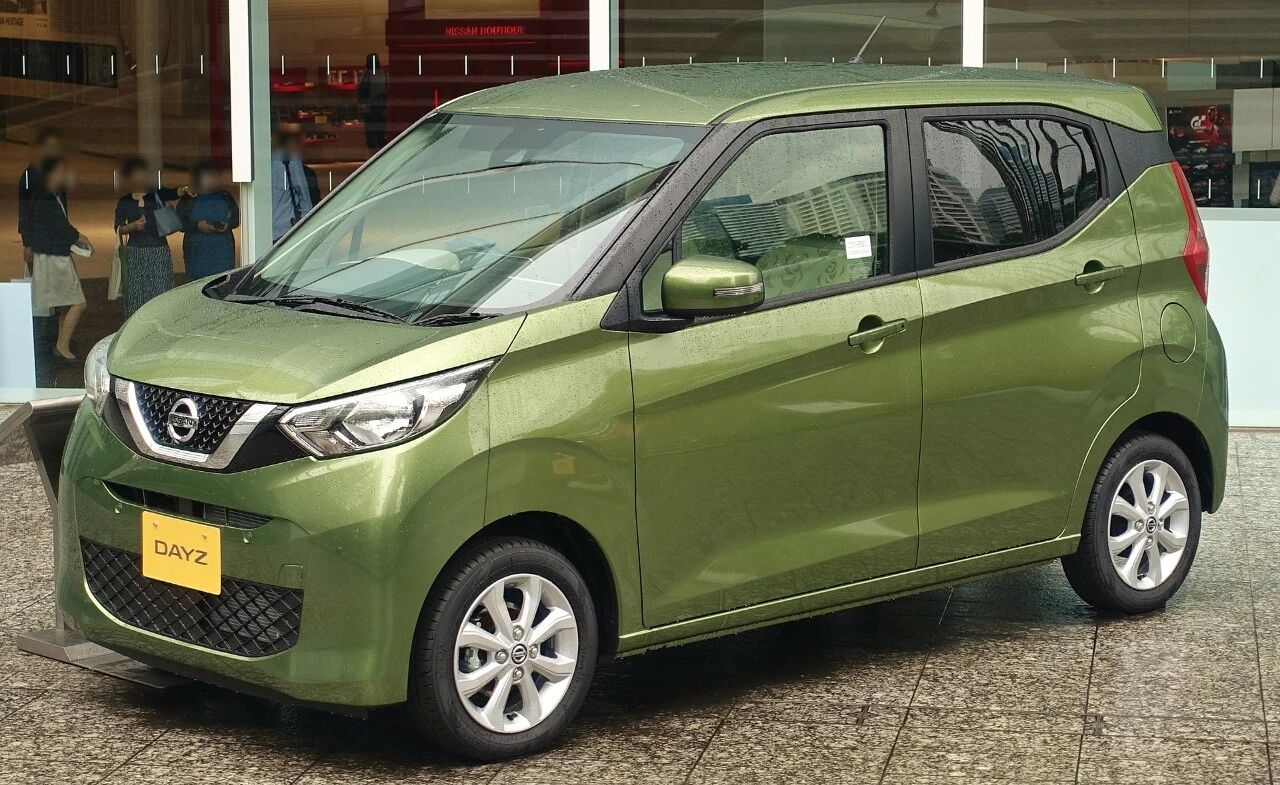
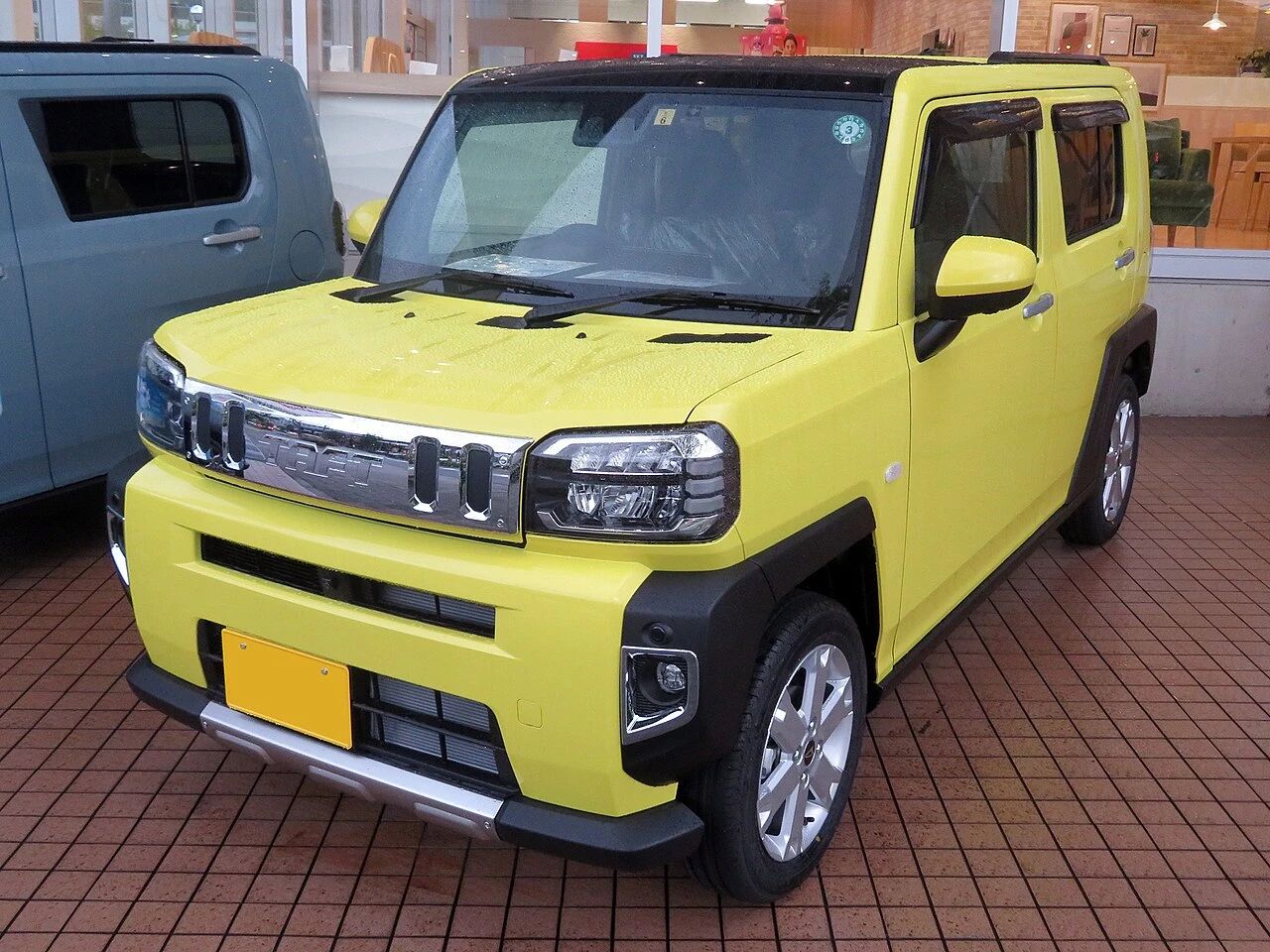
Is there anything else you need to know about this...?
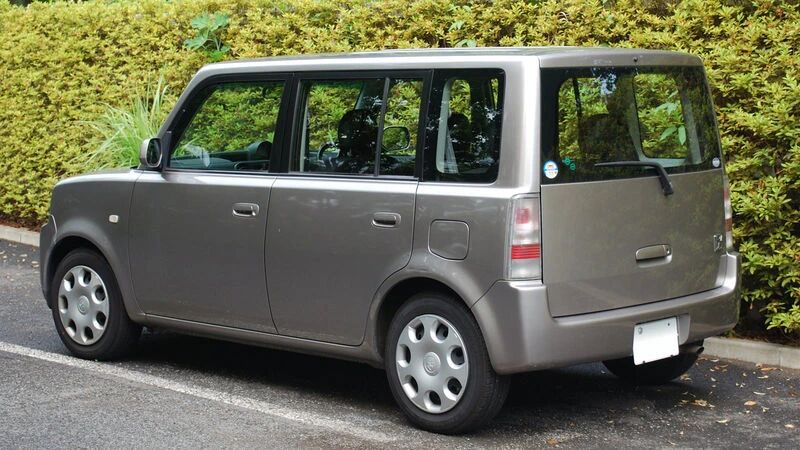
1. Whether it's the Toyota Vitz, Honda Fit, Nissan March, or the Cool Bear (Toyota bB, positioned as a mini MPV domestically), these models referred to as K-Cars by domestic players do not meet K-Car standards in terms of displacement or size;
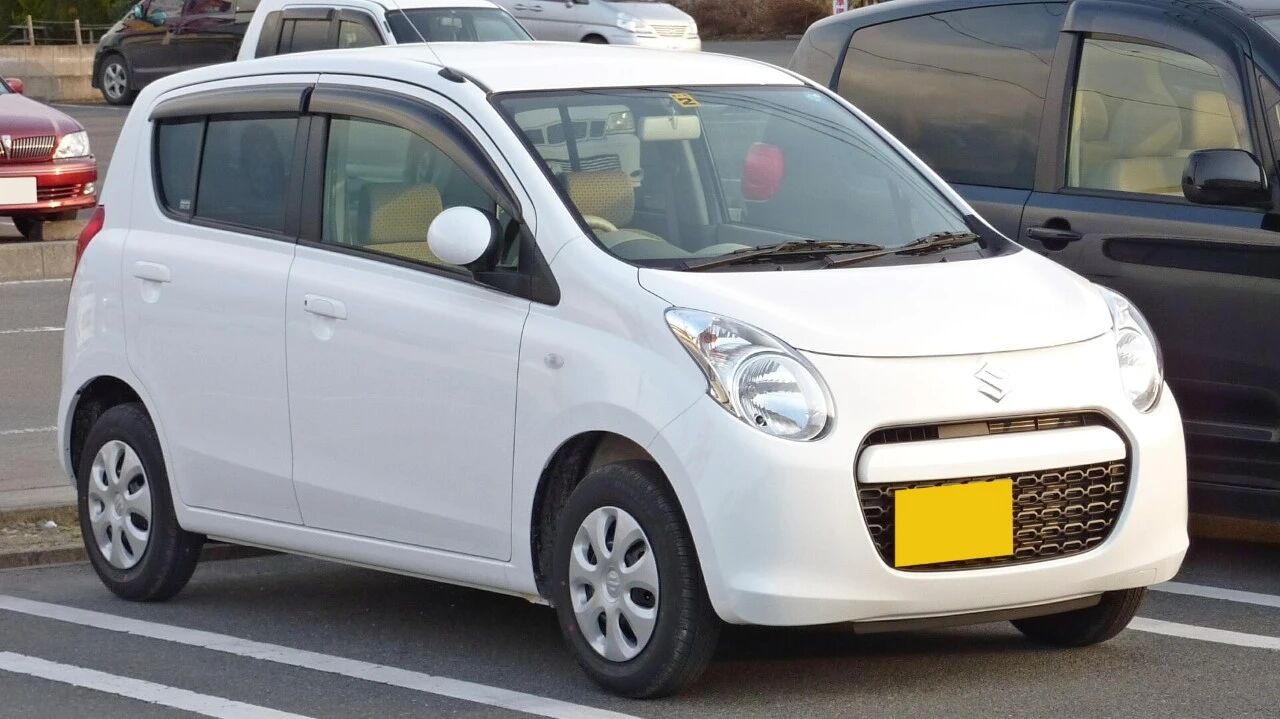
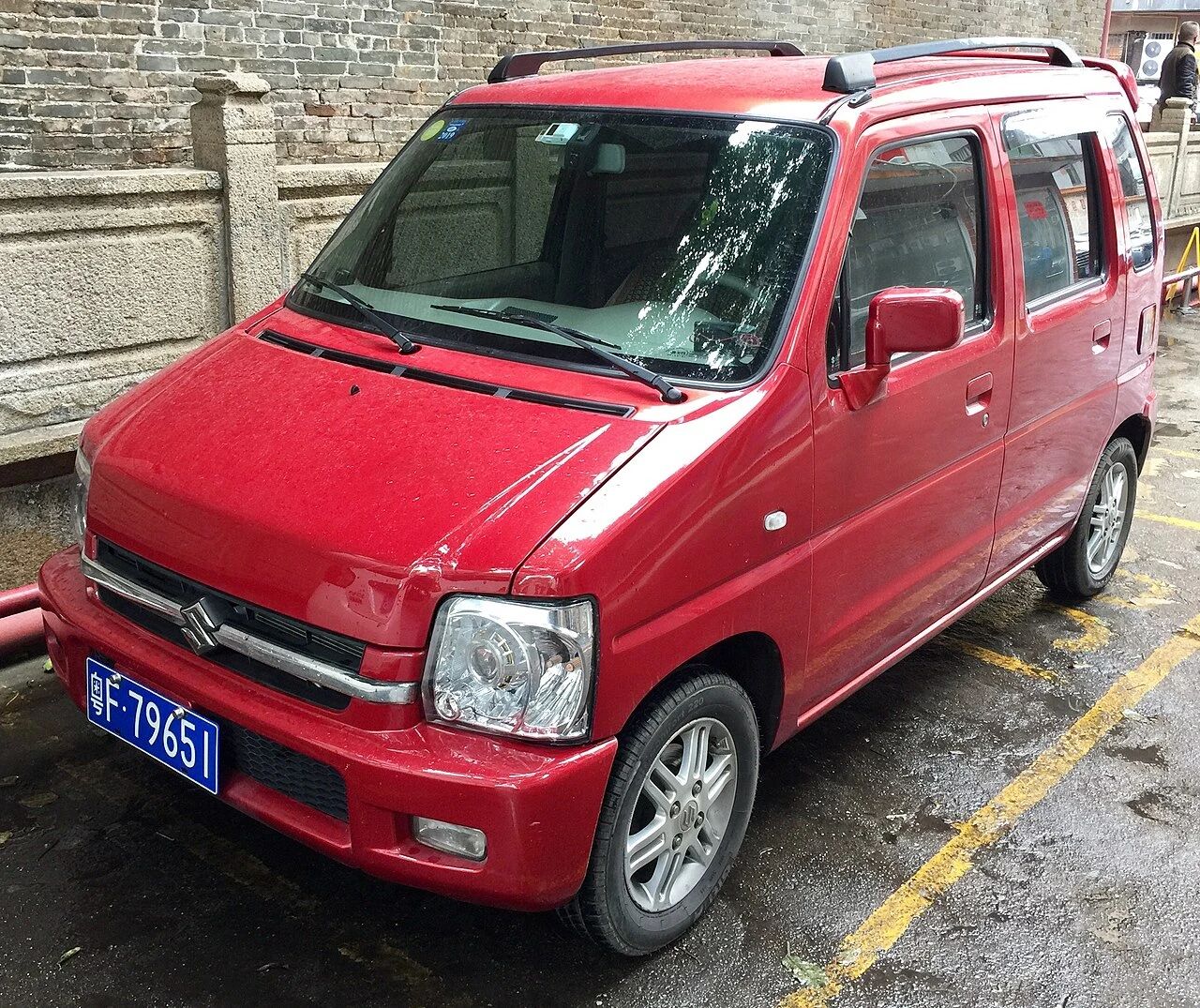
2. The Alto and Beidouxing are the most typical K-Cars in the country, but according to national conditions, their displacement far exceeds 660cc. After all, K-Cars are targeted at the Japanese market, and the Chinese version with 'large displacement' is understandable;
3. As far as I know, the only completely authentic K-Cars in the country are the Subaru REX (Guihang Yunque) and the Subaru Vivio, the latter of which has already been speculated to reach 100,000 when properly equipped with road rights...